
Last week we welcomed parents into the nursery for a relaxed, hands-on playdough workshop led by our Parent Partnership Lead, Jill Burnett. It was a simple session, but a really meaningful one—bringing together families, sharing ideas, and showing how everyday play supports children’s development in powerful ways.

Jill guided parents through making their own playdough (recipe below) using a straightforward recipe—something easy to recreate at home without special equipment or ingredients. The focus wasn’t on perfection, but on confidence: showing that play doesn’t need to be complicated to be valuable.
We talked about what’s really happening when children sit and play with playdough. While it might look like simple fun, it supports a wide range of important skills.
How playdough supports your child’s development
As children roll, squeeze, pinch and shape the dough, they are building the small muscles in their hands and fingers. This is essential for fine motor development, helping with things like holding a pencil, using scissors, and getting dressed independently.
There’s also a strong creative element. Children naturally begin to make shapes, animals, and “pretend food”, using their imagination freely. There’s no right or wrong way to play, which gives them confidence to explore their own ideas.
Playdough is also a great way to support early maths. During the session, we talked about how children learn through simple experiences like counting pieces, comparing sizes, and making patterns and shapes. These early concepts form the foundation for later learning.
Language development comes through naturally too. As children talk about what they’re making, they practise using words, expressing their thoughts, and building confidence in speaking. Jill modelled simple ways parents can support this at home, like asking open questions such as “What are you making?” or “Can you tell me about it?”
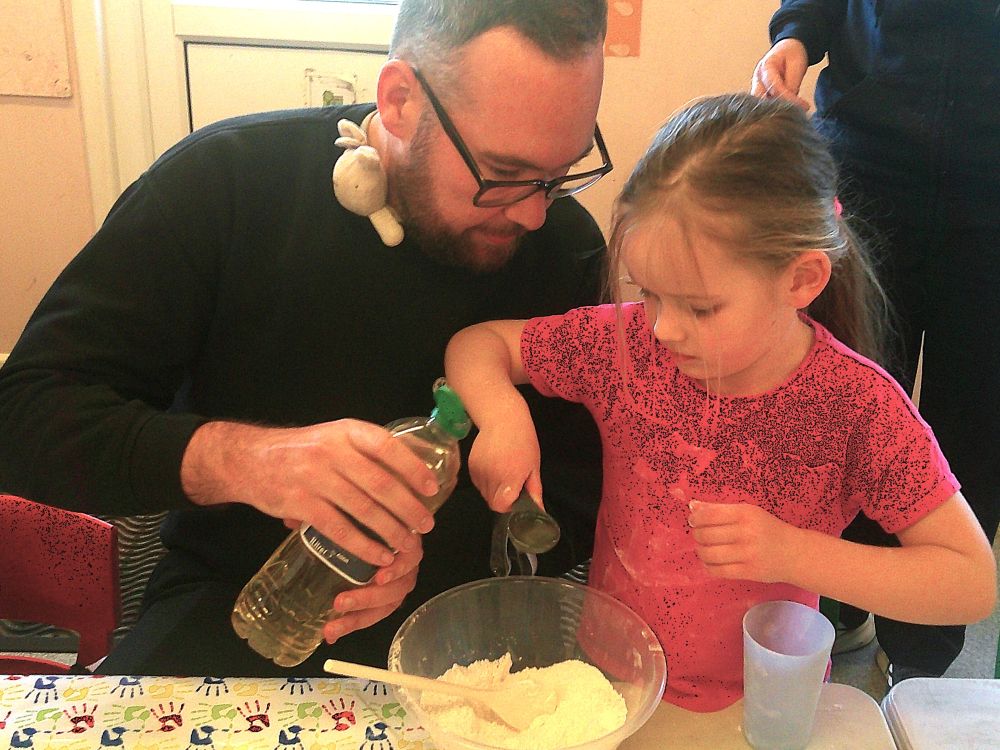
We also discussed the emotional benefits. There’s something very calming about playdough. The repetitive actions of squeezing and shaping can help children settle, regulate their emotions, and focus. It’s often a quiet, grounding activity, especially after a busy day.
Playdough isn’t just for nursery…
One of the key messages from the workshop was that a short amount of time can make a real difference. Just 10–15 minutes of play at home can support hand strength, creativity, language skills, early maths understanding, and emotional regulation—all through something that feels like simple, enjoyable play.
Jill also shared ways parents can support their children during play:
- join in, but let your child lead
- ask questions rather than giving instructions
- encourage their ideas without focusing on the end result
The session reflected what we value at Blue Windmill—working closely with parents and sharing practical, realistic ways to support children’s learning at home.
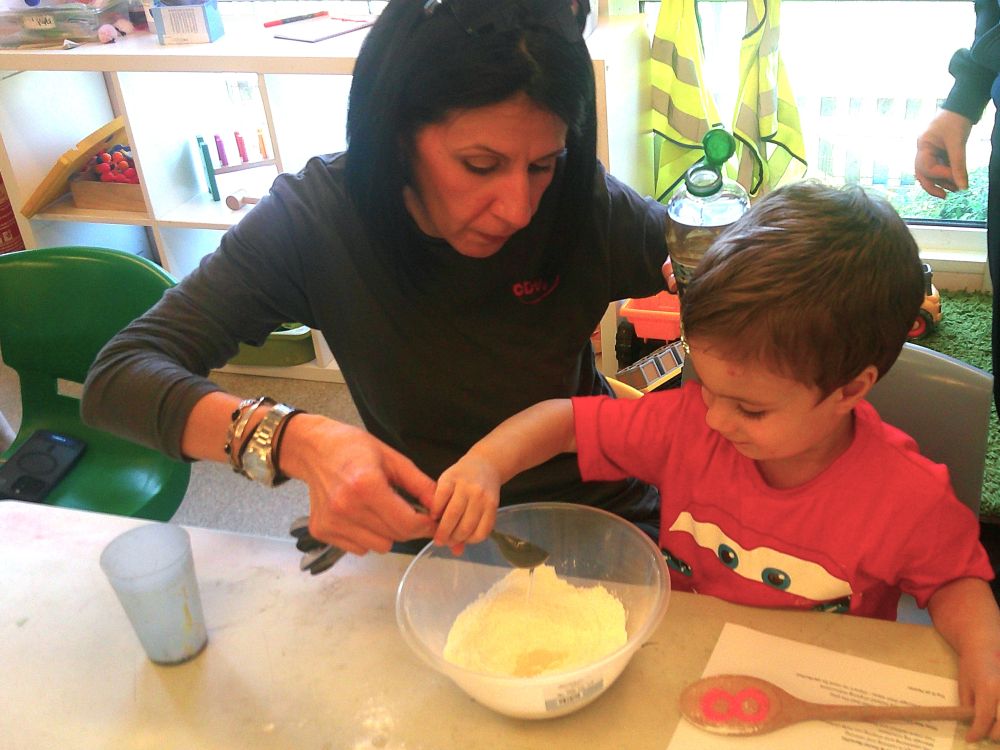
We’re looking forward to running more sessions like this over the coming months, with plenty more opportunities for families to get involved.
Blue Windmill playdough recipe
Ingredients
2 cups plain flour
1 cup salt
1 tablespoon vegetable oil
1 cup warm water
Food colouring (optional)
Method
Mix the flour and salt together in a bowl.
Add the oil, then gradually pour in the warm water, mixing as you go.
Bring the mixture together into a dough, then knead with your hands until soft and smooth.
Add a few drops of food colouring and knead again until evenly mixed.
If the dough is too sticky, add a little more flour.
If it’s too dry, add a few drops of water.
Store in an airtight container or wrap in cling film to keep it fresh.

Find out more about us
If you would like to learn more about Blue Windmill Nursery in Rugby or arrange a visit, please get in touch.